
Nth Terrace reflections

Ari and I went wandering down the west part of the CBD. I had to drop a book— Formless: a user’s guide by Yve-Alain Bois and Rosalind Krauss-— off at the University of South Australia library library and I wanted to scope the new South Australian Health and Medical Research Institute centre (SAHMRI) currently being built on Nth Terrace.

Nth Terrace reflections

I’ve tried a few of the more conventional or modernist approaches to photographing the SAHMRI but none have worked. I’ve been frustrated by this as the restricted access to the site provides a photographer with little options.

Maybe this can help to make the shift away from a Greenbergian high modernism that emphasises “significant form,” “the autonomy of the work of art,” “pure visuality,” “transcendence,” the quest for “the essential,” etc without embracing the anti-aesthetic position of postmodernism in the arts.

searching

Suzanne is currently in Brisbane for a conference whilst Ari and I are down at Victor Habor. We return to Adelaide today.

The days are still coolish, overcast, and with south easterly winds. The tide has been very low at this time and so we can venture further out on the reef.The evening walks now happen between 6pm and 8pm because, with daylight saving, that is when the afternoon light along the coast softens.

The afternoon walks have been spent looking for material for the gallery and, in particular, this rock form which I’d snapped on a walk the last time we were at Victor Harbor. It looked suitable for the Victor Harbor book, and I wanted to see whether it was possible to reshoot it with a large format camera.

white rock form

It was a small shape and I couldn’t remember where it was on the rock foreshore between Petrel Cove and Kings Beach. It took two evening walks and 4 hours to find it. I finally found it last night, around 7.30 pm, just as the sun was disappearing behind the hill.

on a tram

When I had to return the zapped out modem from Encounter Studio to Internode on Thursday I decided to catch the tram into the CBD rather than walk in. I wanted to take some more photos of the street through the tram window, as it was overcast and the light was soft.

These tram photos are difficult to do because of the constraints of the exercise: it is hard to predict what is happening on the street, and more often than not the composition is lousy. Most of the pictures taken are quickly deleted. I generally take the photos when the tram has stopped at an intersection and is waiting for the traffic lights to turn green. This gives me some form of control in what is a very fluid situation.

Adelaide City Council

It is not possible to take this kind of work in Adelaide on how people move within metropolises. Adelaide is a country town, not a metropolis.

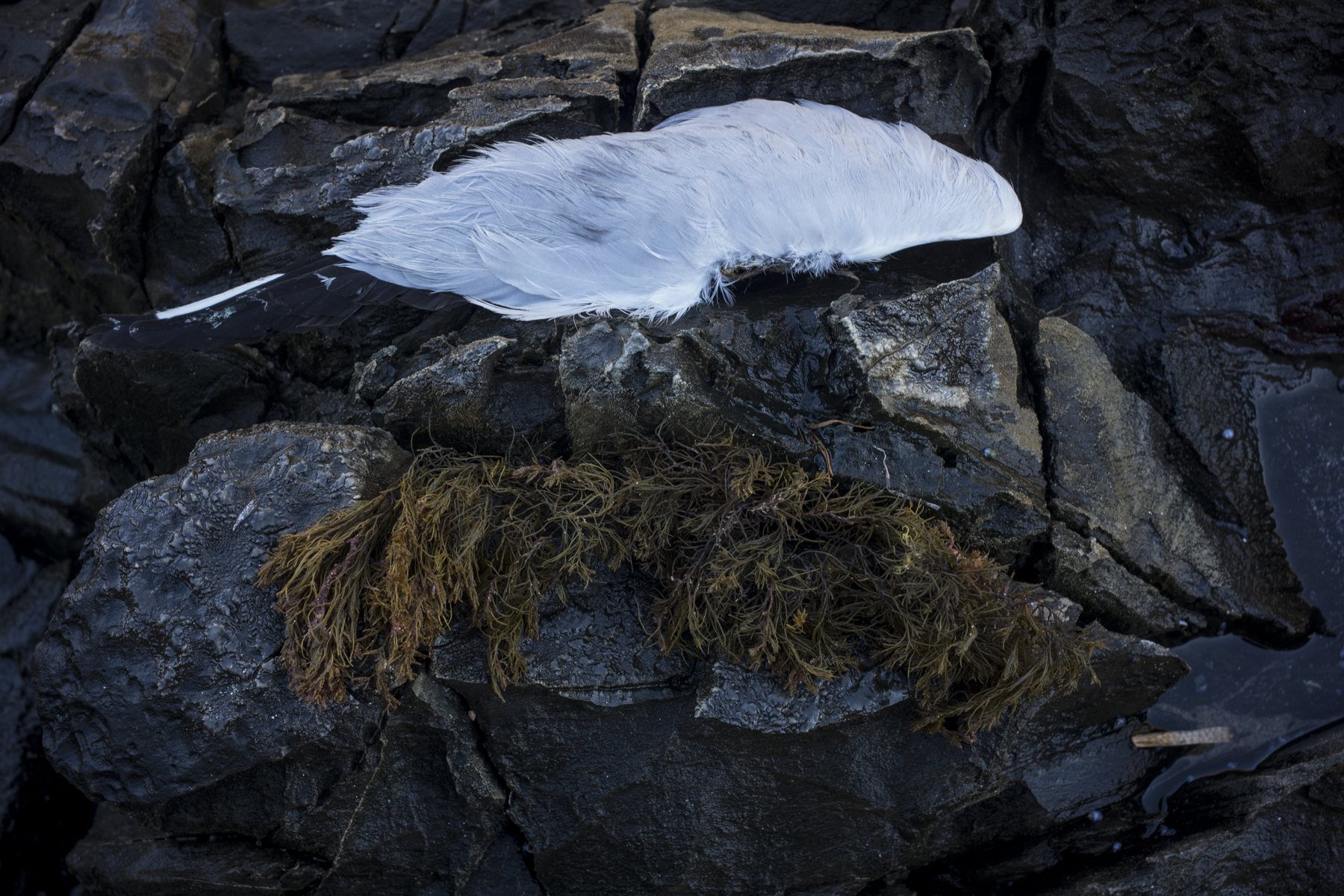
coastal debris

On Tuesday I made a quick visit to Victor Harbor to install a new modem for Encounter Studio.

Ari and I managed to do an evening walk along the coastline west of Petrel Cove and east of Kings Beach; one that involved scrambling amongst the granite rocks on the foreshore and walking along a bit of a goat track on the cliff face that Ari had found. I was looking for a location at low tide to do some sea abstractions.

rusty gas bottle

I’d seen this rusty gas bottle a year or more earlier and I noticed that the rust had become more intense. I was going to walk by because the digital photo I took then was pretty ordinary and bland.

a suburban city

Adelaide is a suburban city with a minimal high rise skyline and minimal inner city life. It still retains most of its urban parkland but its northern and southern suburbs are depressing dormitories. If there is a movement to inner city living and high rise apartment towers then there is also a retreat to the suburban backyard.

white building

However, the traditional Australian backyard is disappearing more rapidly from new suburban estates on the urban fringe than it is from established middle suburbs.

cloud study

On our early morning along the beach at Encounter Bay, Victor Harbor at 6am there was a hot and strong north wind, heavy cloud cover, and spots of rain. It was around 22-28 degrees. Ari walked in the sea to keep cool.

clouds, Encounter Bay, Victor Harbor

A cool change was on the way. It looked to be a storm coming in from the south west. Maybe even thunderstorms. Despite the wind gusts of 50 kph people were launching boats to go fishing on the southern ocean. Crazy.

Pitt St car park

It’s back to hanging around the rooftop of car parks. With early summer almost here it is now possible to photograph on the roof after the commuters have picked up their cars and returned to the suburbs. Adelaide has really been dumped on in the last couple of decades as backward, provincial and boring. Nothing happens in the city of churches. Sydney and Melbourne are where it is at. So we don’t see the city for what it is. What we see is what it lacks.

Ari, Pitt St car park

The city is changing due to a post the global financial crisis mini building boom, even the fabled BP Billiton Olympic Dam mine, which the boosters said would have produced rivers of gold in the streets of Adelaide, has been put on hold indefinitely.

exploring Thomas St

Thomas St in the Central Market precinct of Adelaide provides views of the back of the strip of restaurants along the Gouger St. It has a grimy atmosphere that is lessened when the rays of the late afternoon sun in early summer lighten up the objects that are usually in deep shadow.

Thomas St, Adelaide

The street is compact and easy to explore photographically using a digital camera. The picture shows undercuts the tedious debates between photography and the digital image, the loss of the real from digital imaging technologies and the end of photography as we have known it.

Cannon St

After returning to Adelaide from painting the weekender at Victor Harbor Ari and I walked the streets of the CBD around the Central Market Precinct. It was the late afternoon walk and I was looking for some ideas to continue working on the Adelaide book.

Cannon St, abstract

Daylight saving had just started and there is now light in the city until after 7pm. Summer is just around the corner. The urban light has changed and become more hard edged. I stay in the shadows more.

rock pools

Before we returned to to Adelaide from Victor Harbor Ari and I walked amongst the rocks just east of the road to Kings Beach. I was wanting to do more sea abstracts. I recalled that there was an area of the coast with a small stream from the hills flowing through the rock to the sea and that the rock pools had some strange colours.

The pools looked weird and strange. Were they were conducive to being photographed in the late afternoon?

pool abstract

How would the rock pools photograph as abstractions from nature? What kind of abstractions would emerge? I’d been glancing through Lyle Rexer’s The Edge of Vision:The Rise of Abstraction in Photography–it’s the first book in English to document and contextualize this canon.

Though some of the pictures are formal rather than abstract, and are concerned withe the medium of photograpahy I’ve been impressed by the diversity of the work.