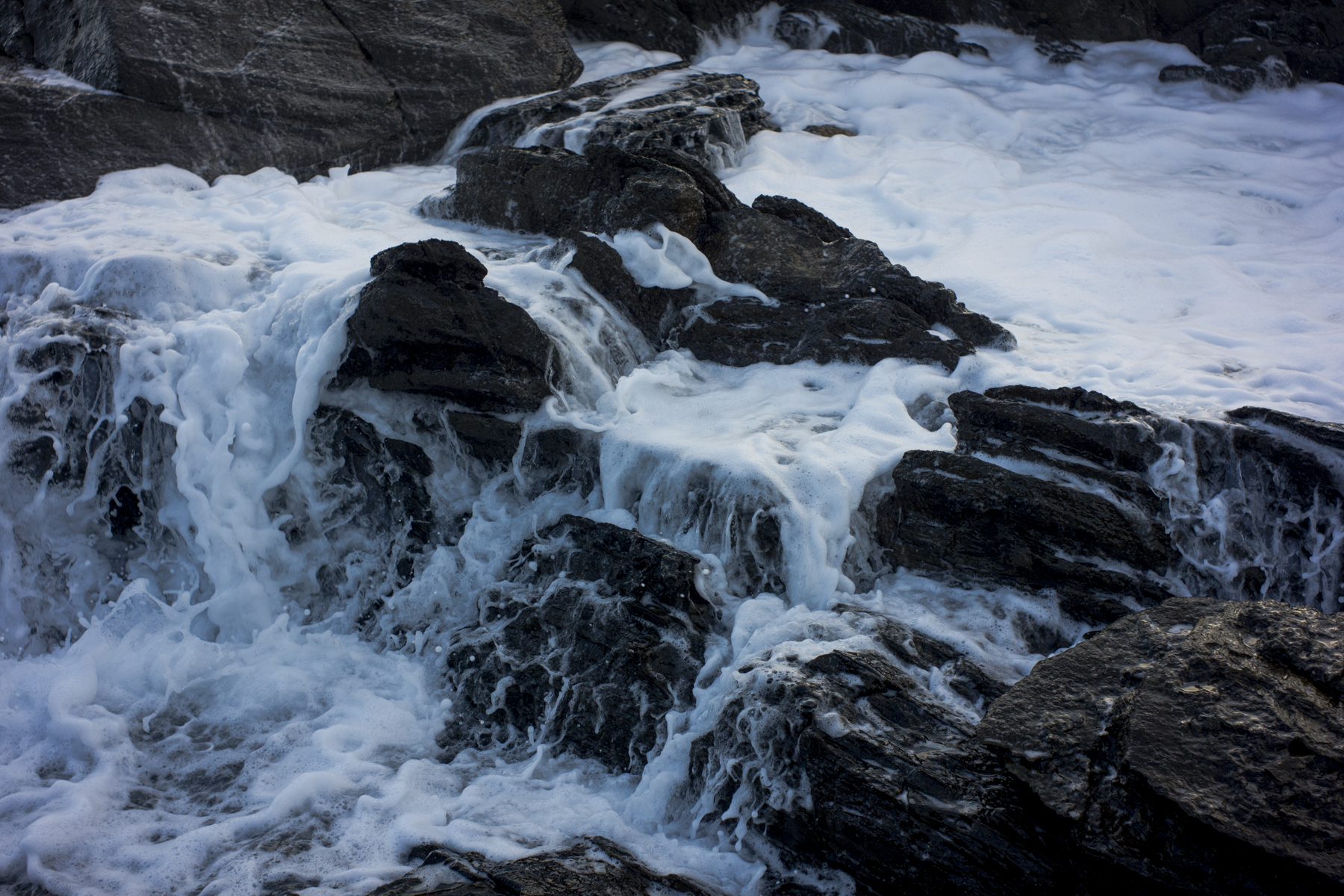

I could, however, do some photography in the afternoon whilst we walked in the bushland as we were on our own. There the poodles could chase, play and wrestle amongst themselves whilst staying close to me as I slowly walked through the bushland. I was able to stop and spend some time to make the odd snap.
I did have some time and space to look around me for future photographic possibilities as a first step back to working on photographic projects through a chance encounter with momentary late afternoon light.
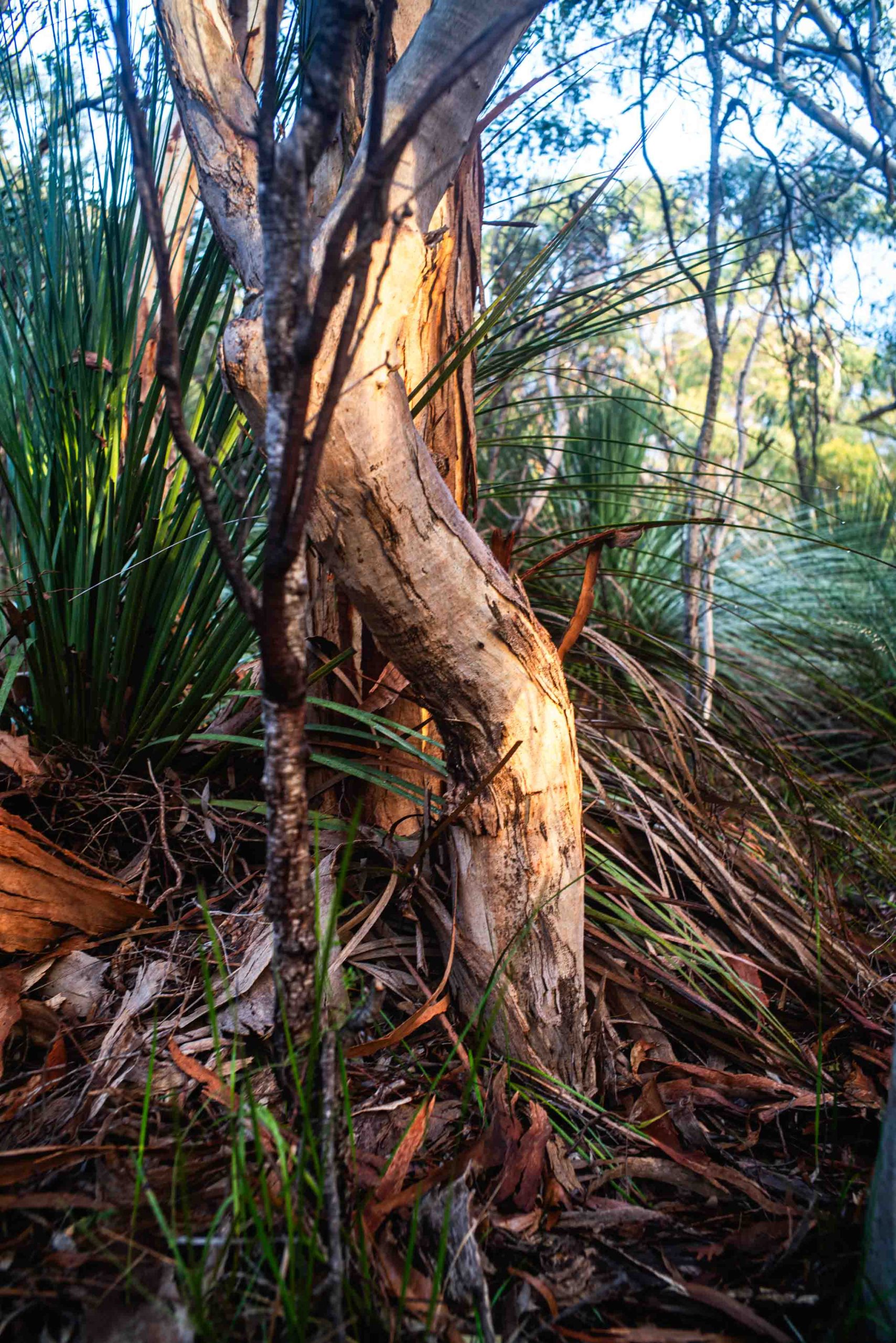
Though I was primarily just making snaps akin to a visual diary I did start to think occasionally about starting to work on some photographic ideas with time exposure photography. An example is the roadside one with a large format camera that implies a receptivity or vulnerability or exposure to whatever is encountered.
An interpretation of the instantaneous snapshot is that it is “here-now” (Roland Barthes) in that it isolates a single point in time and space, and this prevents description or narration. The snapshot is akin to a missed encounter—too late to change what is about to happen but too early to see what transpires. If so, can we move beyond a purely semiotic reading of the snapshot to include the affective and phenomenological involvement of the unconscious with the external world, rather than its linguistic structure?
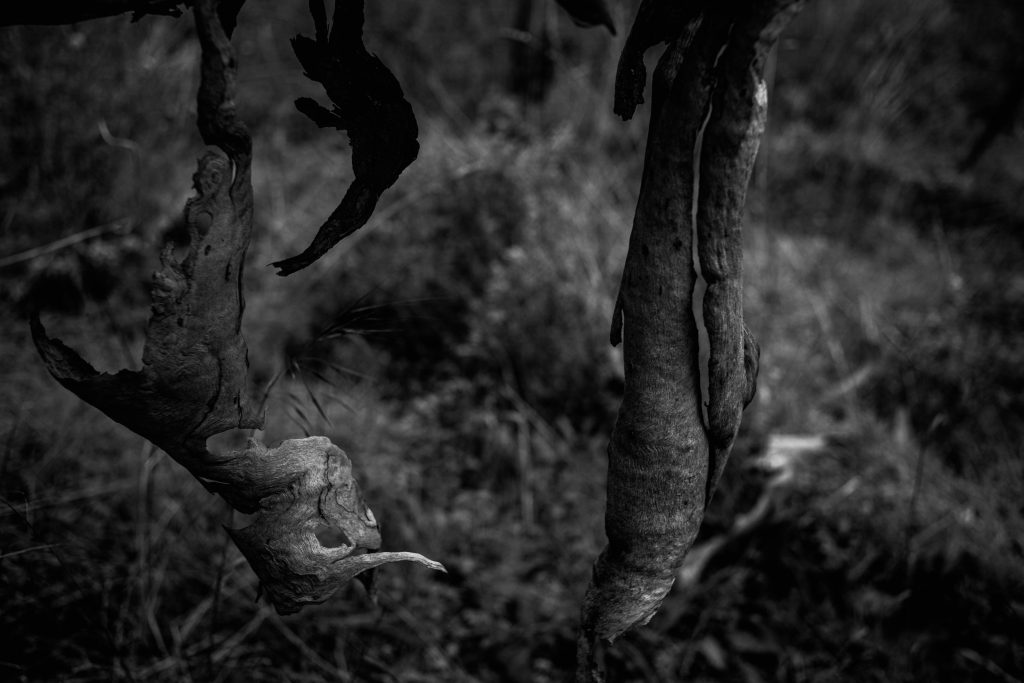
The early modernist account (eg., Walter Benjamin) is that it is a protective shield against the shock stimuli of the new in the modern metropolis (Berlin or Paris). I doubt that this account is still relevant in our world of social media streams of digital snapshots.
But the general point remains — the snapshot it not just about flux in the objective world as it can include the affective and phenomenological involvement of the unconscious with the external world.