
at the Mt Lyell mine

Yesterday was overcast and windy, and as the weather was going to be consistent rain squalls for the next few days, I decided go to the old Mt Lyell open cut copper mine in Queenstown. The only way to do it was to take the morning trip with John Halton’s Enviro mine tour. It was the right decision as it rained all of today.

Mt Lyell open cut mine
Tasmania, Queenstown, Mt_Lyell, open_cut_mine, digital, Olympus, phototrip

Little did I know that John Watt Beattie, Stephen Spurling 111, Frank Hurley and Martin Walch had all extensively photographed the region, town and the mine.

Gormanston landscape

The rains have come and gone in Queenstown. Today we are back to the bright sunshine with a bit of cloud cover. Yesterday was passing showers and misty conditions. The showers meant that I stayed close to the car when photographing so that I could sit them out.

In the morning I wandered around Gormanston. There are lots of ‘For Sale” signs–for blocks and houses— but there are few buyers. This is surprising, for Gormanston is just down the road from Lake Burbury. Why aren’t the fishermen buying the old houses for their fishing shacks?

Dreams die hard in this old mining village:

Gormanston, Tasmania
Tasmania, Gormanston, house, abandoned, digital, Olympus, phototrip

The brick walls were being built around the old tin wall. These were mostly completed and then everything stopped before the roof was put on. That’s what happens to old mining towns. They become ghosts towns.

too windy to photograph

It was very muggy early this morning in Queenstown. A very gusty north west wind was blowing. The locals say that rain and thunderstorms are on the way. If so, then this brings to an end to the spell of hot weather on the south west coast of Tasmania.

The large format photoshoot this morning didn’t turn out as planned. I went to the location above the town that I’d scoped yesterday. Although I managed to set the Linhof up, the gusts of wind blew the gritty white dust into my eyes and ears as well as into the camera.

photoshoot, Queenstown

I had to bail out and wait for another day and walked along the Queen River looking for possible photographic subjects of the contaminated river. It was protected from the wind and the light was soft.

in Queenstown, Tasmania

This is my second day in Queenstown, Tasmania. The first morning was very similar to what I’d encountered when I was here in April last year—very heavy fog in the valley until about 11am:

fog, Queenstown

The early morning walk with the standard poodles was in the fog until we climbed above it on soem kind of fire break or electricity track. When the fog lifted around 11am the rest of the day was bright, still and very hot. The night was quite mild.

in Tunbridge, Tasmania

The three or four days that we spent in Tunbridge in the Tasmanian Midlands allowed me to do a little bit of large format photography. I was able to scope out some suitable subject matter, including this salt lake:

Salt lake, Tunbridge, Tasmania

I basically ran out of time before I could come to grips with the arid landscape—its ever changing moods, cloud formations and light. This is the third time I’ve visited the Midlands and I’m becoming familiar with this landscape and its various representations.

roadside vegetation revisited

The dry heat gave way to muggy heat with some cloud cover. Ut was still hot–around 36 degrees– but the cloud cover the morning provided me with an opportunity to do some photography.

I was unsure how long the cloud cover would last this morning so I played it safe: I returned to the shade of the unsealed back country roads and explored the roadside vegetation with a 5×4 Linhof. It was the first time I had used the camera this year.

roadside vegetation

This picture was from an earlier shoot–when I was exploring how the Rolleiflex 6008 operated in the field. What is noticeable with this region is the destruction and loss of native habitat for farming. Approximately 13% of the original native vegetation remains. Biodiversity is in decline due to threats from invasive species and landscape fragmentation.

walking without a digital camera

I’m not posting many pictures from our poodlewalks since my digital camera was stolen in Melbourne. Although I’ve decided to go without one whilst I continue to just shoot film to see what happens, I do miss not having a digital camera with me.

Without one I don’t have any images from the daily walks, or from the photoshoots that I’ve been doing with the large format cameras. So I am relying on pictures –such as the one below—that have been taken on earlier walks.

lagoon, Hindmarsh River

I was exploring the lagoon near the mouth of the Hindmarsh River in Victor Harbor yesterday. I hadn’t been there for a while, and though it was around 6.30 pm, it was still hot and sunny. I recalled the above image and remembered that the bush was in the shade at this time of the day.So I went looking for the bush as part of the poodlewalk.

in the moment

We spent this weekend down at Victor Harbor, and the fine, early summer weather meant some long walks with the poodles along the beach that were coupled to me exploring the possibilities at the foot of the granite cliffs for rock abstractions.

cliff top walk, Victor Harbor

I was exploring these possibilities in order to use the 5×4 Linhof. I’m becoming increasingly comfortable with this style of photography and I want to devote more of my time and energy to it.

… if only I could remember

We had a 2-3 hour poodlewalk along the coast from Petrel Cove, Victor Harbor, yesterday afternoon. It was overcast and muggy, and I was looking for locations to shoot in black and white using the 8×10 Cambo monorail. I found one.

I also found this one on computer this morning, when I was writing on Landscapes, tourism, the picturesque for the Victor Harbor book.

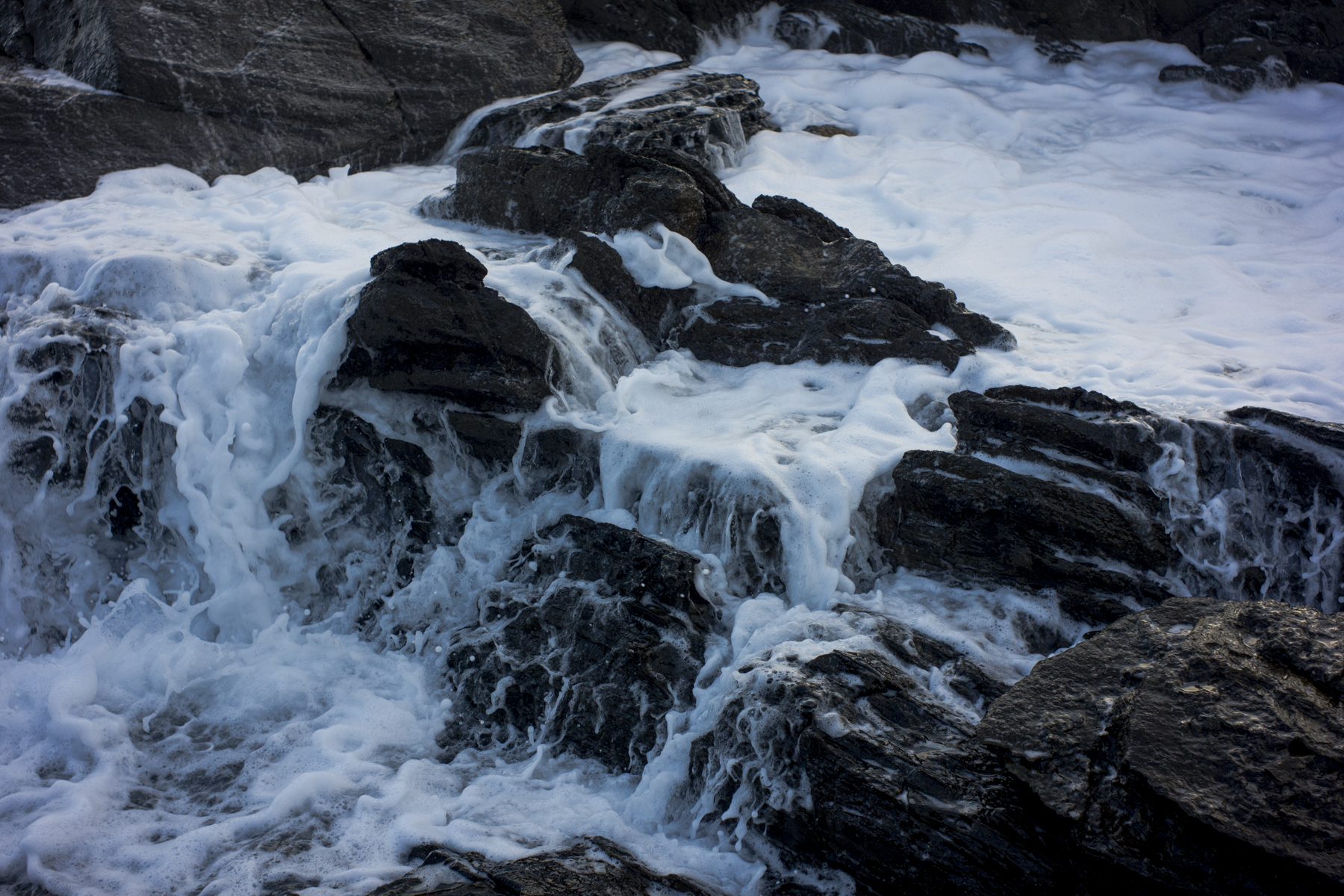
rock face, near Petrel Cove

Unfortunately, I have no idea where this rockface is on the coastline. I just don’t recognize it. It looks suitable–and just what I want– but because I cannot recall its location I don’t know if it is possible to both get the 8×10 down there and to set it up.