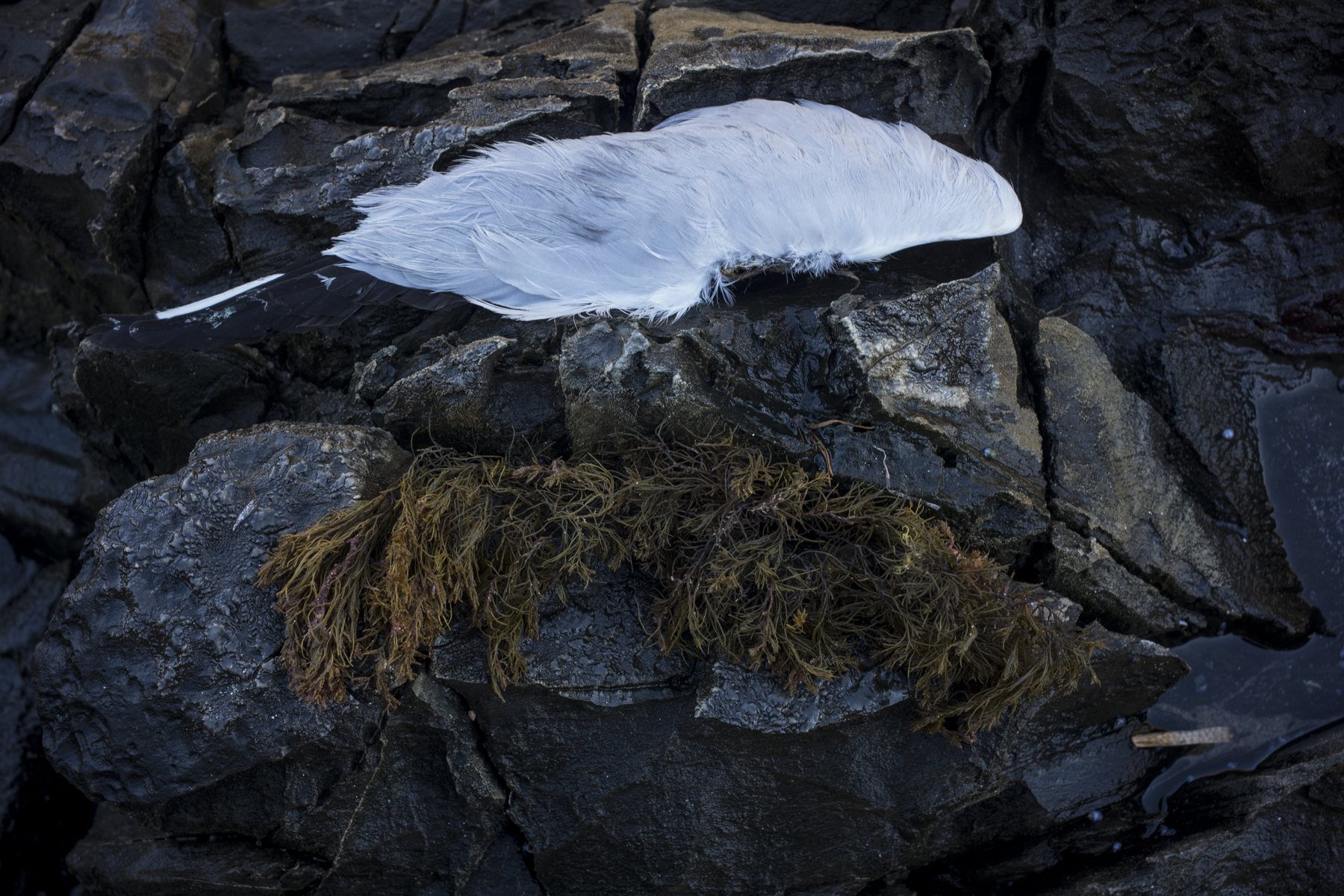

at Newland Heads: digital photography

We spent the long weekend just passed (Queens birthday?) down at Victor Harbor. I used the time on the afternoon poodlewalks to refine the focusing on the Sony NEX-7 and to explore its image quality. What I wanted to know was whether could I get most of the pictures I was taking in focus and, secondly, whether the larger sensor could handle landscape detail as good as 35mm film.

rock pool, Newland Cliffs

I mostly succeeded with the focusing issue–all were in focus. And I was pretty happy with the image quality of this picture. The 24.3 Megapixel sensor produces images that are an improvement on those produced by the 10 Megapixel sensor of the old Sony DSC R1 that I used to use.

poodlewalks in Adelaide’s CBD

I’ve decided to change my work flow for colour film photography.The old work flow wasn’t really working for me.

Instead of building up six to nine months work and then having it processed at a professional laboratory in one hit, I’ve decided to have the 35mm and 6×6 film processed on the day of the shoot. I can drop it off to Photoco’s one hour minilab in the Central Market on the way back from the shoot. The sheet film can be processed at the professional lab—Atkins Technicolour.

My reason is that it is cheaper, more convenient and I can quickly assess what I’m doing in terms of feedback. I did a dummy run on Friday to see how things would turn out:

carwash, Adelaide

I’m happy with the result. It works for me:

in West Terrace Cemetery

The carpets in the studio apartment in the city were being cleaned this morning so Ari and I went down to West Terrace Cemetery to fill in a couple of hours. I wanted to use the time to walk around the cemetery to sort out the focusing problems I’ve been experiencing with the Sony NEX-7 rather than express a general sense of foreboding within a utilitarian culture.

Up to now the focusing with my M mount Leica lens has been very hit and miss. I needed to figure out why and to find a more reliable way of working. 75% of pictures out of focus is not acceptable.

gravestone, West Terrace Cemetery

I’m finding manual focusing with the peak focusing technology slow work compared to using a Leica rangefinder. I’m also coming to realize that the Sony NEX-7 is not a point and shoot or a scoping camera for large format photography. It stands on its own.

a new digital camera: Sony NEX-7

After I finally found out how to get the Sony NEX-7 to take photos with a 35mm Leica M mount lens—-with some help from friends at Photoco in the Adelaide Central Market —-I wandered around with Ari taking some pictures.

The camera is a good fit in my hand, is easily portable and feels like a relatively affordable rangefinder-like camera with a built-in viewfinder.

tables, Adelaide Central Market

Unfortunately for me 75% of them were out of focus, even though I used focus peaking. I found it to be fairly inconsistent or hit and miss. It was as if I got just an approximation and I needed some further refinement.

in Hobart, Tasmania

My last day in Tasmania was spent in Hobart. Since the plane for Adelaide (via Melbourne) didn’t leave until 4pm I had a day to wander the streets with my old Leica film camera. I wasn’t scoping for large format. I was just taking a look at what was there as the New Tasmania features fresher arrivals and returnees, lured by the notion that Tasmania is an optimal testbed for a niche range of clever cultural and economic initiatives.

I started the day with some photos of the view from my hotel window on Collins Street. This overlooked the Royal Hobart Hospital, which is in the process of being renovated, and the Hobart Private Hospital.

Royal Hobart Hospital

I love Hobart. I think it is a delightful city to walk around and explore. It is a city that still retains its 18th and 19th century architecture. In Sydney and Perth these heritage buildings would have been pulled down to make way for the modernist glass towers of the late twentieth century.

beyond Kings Head

We are down at Victor Harbor for a couple of days–the last few days of Suzanne’s holidays. We return to Adelaide on Sunday.The days down here are being spent painting the living room of the weekender and gardening.

The autumn weather is still, overcast and temperate–it’s good coastal landscape photography weather. So yesterday afternoon and early this morning I walked along the Heysen Trail past Kings Head on to the rocky outcrop foot of the Newland cliffs. This is where I’d been photographing before the Queenstown trip.

Victor Harbor, near Kings Head, digital, Olympus, Newland cliffs

Though my Sony NEX-7 has finally arrived, I cannot get it to work with a Leica 35mm lens. I’m finding the user interface to be very complicated indeed. So I took the 5×4 Linhof this morning plus Suzanne’s Olympus XZ-1 digital camera for further scoping.

walking amongst the dead

With Agtet gone Ari is listless and lonely. The poodlewalks have lost their sparkle and their joie de vivre. He just walks behind me. Last week he walked me down to the West Terrace Cemetery and then just stood amongst the gravestones looking for Agtet.

West Terrace Cemetery, Adelaide

Atget, Ari and myself had often gone to the West Terrace Cemetery together in the late afternoon for our poodlewalks. It was one of our favourite walking places. I could take photos and the poodles could hunt for rats.

in Queenstown, Tasmania

My old MacBook died whilst I was in Queenstown, Tasmania working on the rephotography project around the 1912 Mt Lyell mine disaster. It’s either a corrupted file or the hard disc has died. I was unable to post.

I was also without a digital camera, and I was just shooting film–it was a discipline. The downside was that I wasn’t able to upload some of the pictures I was taking that day or the next.

Iron Blow road

The weather on this trip was quite different to the previous one in March. It rained everyday I was there with one exception. It was overcast and misty. Photos were taken between the passing rain squalls.

exploring the King River

I went up to the Mt Lyell open cut mine this morning as part of the ‘Now and Then’ team. I was unable to do much photography along the lines of rephotographing the old photos. The vantage points the early 20th century photographers used have long gone, and I didn’t have a telephoto lens. So I’ve decided to work off site looking over at the mine site from the hills opposite the mine.

Mt Lyell mine

It was a day of sunshine and passing showers. In the afternoon I walked down to the mouth of the King River where it enters Macquarie Harbour. I wanted to start to explore this riverine landscape, which I’d only seen on google earth maps on an iPad.

Queenstown: rephotography

I’ve just returned to Queenstown, Tasmania, to take part in a ‘then and now’ rephotography project about the North Lyell Mine disaster.

42 West Coast miners died from a fire in the underground timber pump station/house.The fire damaged the shafts, and the smoke ad poisonous fumes mean that the miners at the lower levels were trapped. It was the largest mining tragedy in Australia’s history. It is now being remembered

The rephotography project is being run by the Queenstown Library. It is centred around community involvement in a Now + Then style project that has been structured along the lines of the one run by the ABC.

How the ‘Now and Then’ is done is open to interpretation. Some possibilities mentioned are: there could be two images side by side; one old n picture superimposed on the other; or an old photograph held in the hand and photographed in the landscape of today.